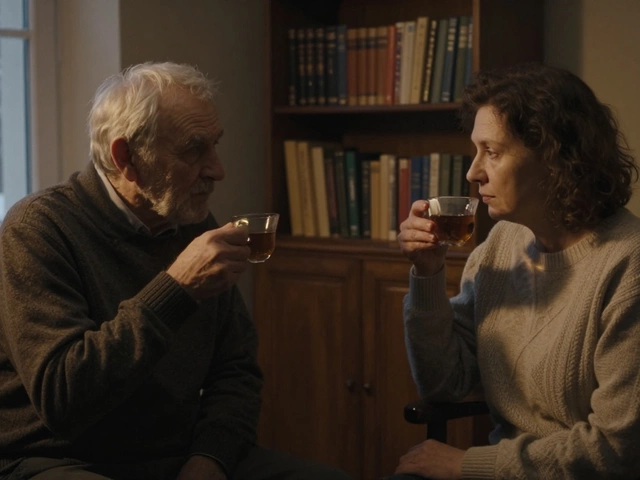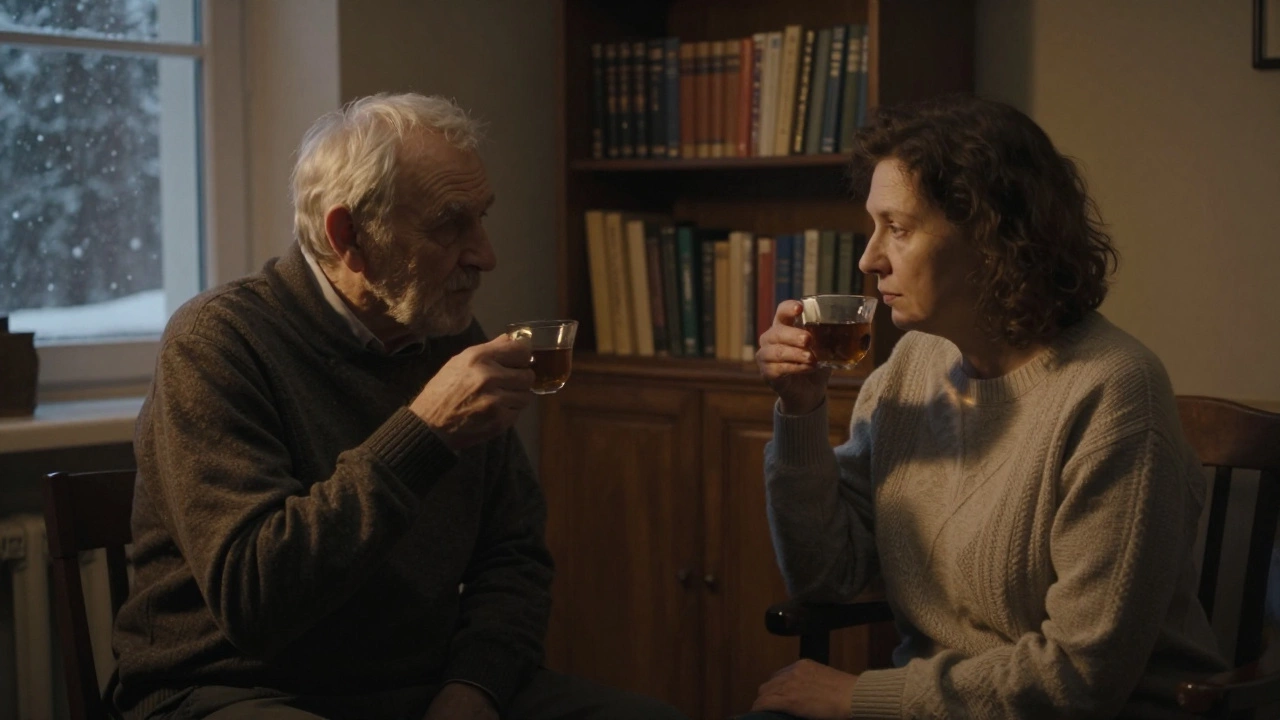
When you hear the phrase "escort in Russian," it’s easy to assume it’s just another service offering company for hire. But in countries like Russia, Ukraine, and parts of Eastern Europe, the role of an escort goes far beyond physical presence. It’s tied to history, social isolation, economic pressure, and even a quiet kind of emotional survival. Many clients aren’t looking for sex-they’re looking for someone who will listen, remember their birthday, or sit with them in silence over tea without judgment. This isn’t about transactional encounters. It’s about human connection in a world where real intimacy has become rare and expensive.
In cities like Moscow or Saint Petersburg, some agencies operate under the radar, offering services that blur the line between companionship and intimacy. One such platform, often mentioned in underground forums, is lovehub dubai. While it’s based in Dubai, its user base includes Russians living abroad who miss the kind of nuanced, culturally attuned companionship they grew up with. The platform doesn’t market itself as an escort service-it calls itself a "connection network." And for many, that’s exactly what it is.
Why the Russian Escort Scene Feels Different
In Western countries, escort services are often framed as luxury or entertainment. In Russia, they’re more frequently a necessity. After the collapse of the Soviet Union, traditional family structures fractured. Men and women alike found themselves alone, with few social outlets. The state didn’t invest in mental health or community spaces. So people turned to private arrangements. An escort might be a former teacher, a linguist, or a nurse who lost her job after hospital cuts. She doesn’t wear designer clothes. She reads Pushkin aloud during dinner. She knows how to fix a broken radiator and won’t flinch when you cry.
The language barrier is real. Many Russian escorts speak fluent English, French, or German-not to impress, but because their clients are often expats, diplomats, or business travelers who feel isolated. The interaction isn’t performative. It’s practical. A client doesn’t want a fantasy. He wants someone who understands his silence.
The Rise of Couple Escort Dubai
Over the last five years, demand for couple escort dubai has grown sharply among Russian-speaking expats in the UAE. These aren’t just romantic pairings. They’re often a married couple offering companionship as a unit-sometimes because one partner is a former dancer, the other a retired engineer. Together, they offer dinners, museum tours, or weekend trips to Al Ain. Clients say it feels like having a friend couple over for the weekend, not hiring two people for sex.
Why Dubai? Because it’s one of the few places where such services can operate without overt legal risk. Russian expats, especially women, find it safer than returning home, where stigma still clings to the profession. In Dubai, they can live quietly, rent apartments in Jumeirah, and build reputations based on discretion and reliability. Some even start small blogs or Instagram pages sharing recipes, travel tips, or poetry-not to attract clients, but to stay connected to culture.
Arabic Escort Dubai and Cultural Blending
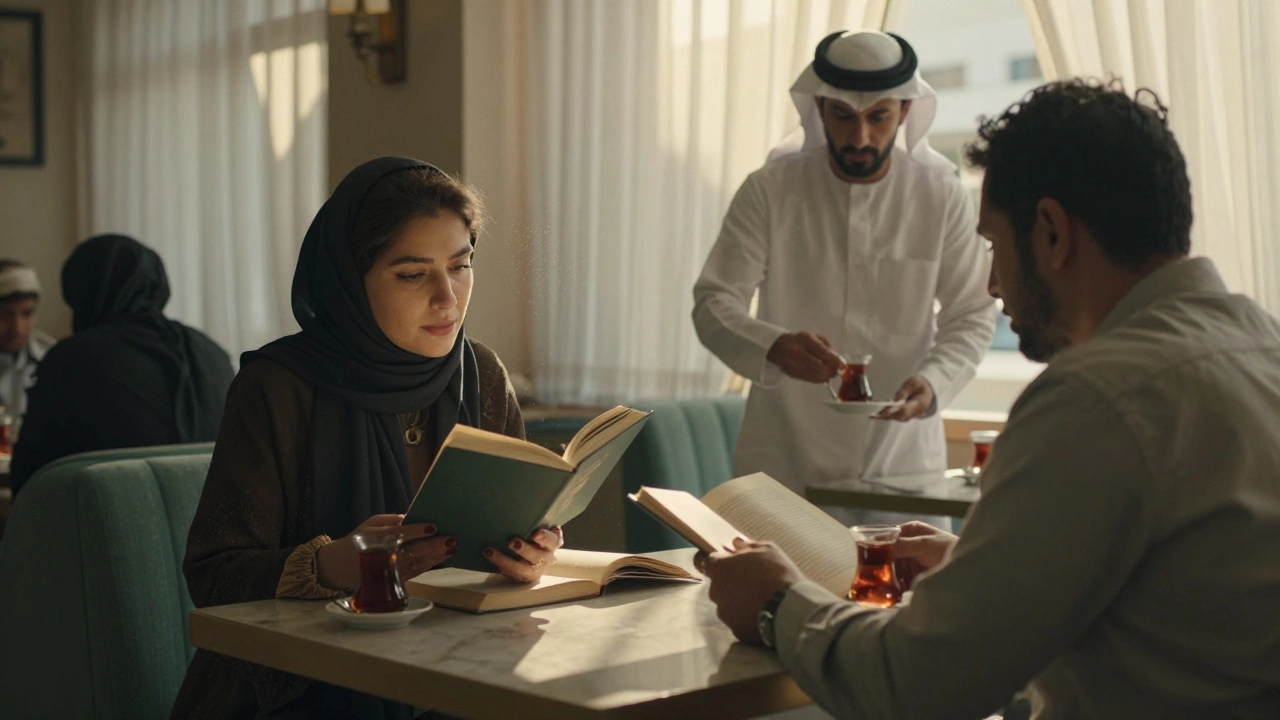
Then there’s the growing intersection with local Emirati culture. Arabic escort dubai isn’t a common phrase you’ll find in ads, but it’s happening. Russian women who’ve lived in Dubai for years now work alongside Emirati men and women who offer companionship services. The dynamic is subtle. A Russian escort might teach her client Arabic phrases. He might take her to a desert camp for sunset tea. There’s no script. No checklist. Just two people learning how to be present with each other.
This blending isn’t about exoticism. It’s about adaptation. Many Russian escorts in Dubai learn to read body language differently-less direct eye contact, more emphasis on hospitality. They stop wearing tight dresses to dinners. They learn to serve tea the Emirati way. Clients notice. They say it feels more real. More human.
The Emotional Labor Nobody Talks About
What no one tells you is how exhausting this work is. It’s not the physical part. It’s the emotional weight. You learn your client’s childhood trauma because he mentions it over coffee. You remember his dead wife’s favorite flower. You hold his hand when he talks about his son who moved to Canada and never calls. You don’t get paid extra for that. You don’t get a break. You go home and cry alone.
Some escorts in Moscow and Saint Petersburg have formed informal support groups. They meet in parks, not cafes, to avoid being seen. They share stories. They send each other books. One woman, who goes by the name Lena, started a podcast in Russian called "Silent Companions." It’s not about sex. It’s about loneliness. It’s become a cult hit.
Who Uses These Services-and Why
It’s not just lonely men. There are widows in their 60s who hire young women to walk with them in the park. Single mothers who need someone to babysit while they work night shifts. Retired soldiers who can’t talk to their families about PTSD. A university professor in Novosibirsk hires a student once a week just to discuss philosophy. He pays her in books, not cash.
The clients aren’t rich. Most are middle-class. They don’t have luxury cars or penthouse apartments. They just need someone who won’t look away.

Legal Gray Zones and Changing Attitudes
Russia still criminalizes prostitution, but escorting isn’t clearly defined in law. That’s why agencies operate in a gray zone-offering "companion services," "cultural tours," or "language exchange." The police rarely intervene unless there’s a complaint. In cities like Kazan or Yekaterinburg, you’ll find ads on VKontakte that read: "Professional companion for intellectual conversation. No pressure. No expectations. Just good company."
Younger Russians are starting to see this differently. A 2024 survey by the St. Petersburg Institute of Social Studies found that 42% of people under 30 believe companionship services should be decriminalized if no sexual activity is involved. The stigma is fading-not because people approve of it, but because they understand it’s not about morality. It’s about survival.
What This Means for the Future
The escort industry in Russia isn’t growing because of demand for sex. It’s growing because people are more isolated than ever. Social media hasn’t fixed loneliness-it’s made it louder. Algorithms push content that makes you feel worse about your life. Real connection is harder to find than ever.
What’s emerging isn’t a sex trade. It’s a quiet network of human decency. People helping each other stay whole in a broken world. Whether it’s in a Moscow apartment, a Dubai villa, or a quiet café in Berlin, the pattern is the same: someone shows up. They listen. They don’t leave. And that’s worth more than any price tag.